
New Hardware is reader-supported: some links on this page are affiliate links, and as an Amazon Associate New Hardware earns from qualifying purchases at no extra cost to you. Learn more.
Our Top 3 Picks for Contractors Under $300
The best Tile Saw for contractors under $300 is the Skil 3550-02 7-Inch Wet Tile Saw because its 7-inch blade suits contractors who want a compact corded wet saw.
If you read one thing on this page, read these 3.
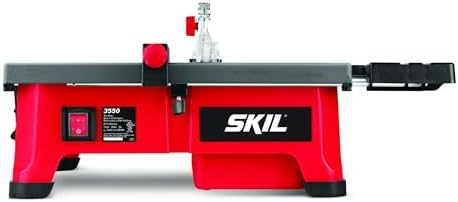
#1 – Skil 3550-02 7-Inch Wet Tile Saw
Best for: you want a 7-inch wet saw with a 45-degree bevel and a light 22.05-pound build.
Why the Skil 3550-02 7-Inch Wet Tile Saw is our #1 pick
- Listed at $269.99 in November 2026 – premium among those compared; the price moves, so check it
- 4.4 rating from 8,309 ratings
blade diameter: 7-inch · bevel angle range: 0, 22.5 and 45 degrees
To put that blade diameter in context, pick #2 states 8 in. and pick #3 states 4-3/8-Inch.

#2 – RIDGID R4041S 12 Amp 8 in. Wet Tile Saw
Best for: you want an 8-inch wet saw with 24-inch rip capacity and a stand included.
Why the RIDGID R4041S 12 Amp 8 in. Wet Tile Saw is our #2 pick
- Listed at $123.50 in November 2026 – entry among those compared; the price moves, so check it
- 4.2 rating from 7 ratings
blade diameter: 8 in. · maximum cut depth: 2-3/4 in
For comparison on blade diameter, pick #1 states 7-inch and pick #3 states 4-3/8-Inch.

#3 – DEWALT DWC860W
Best for: you want a compact corded masonry saw with a 4-3/8-inch blade and wet-or-dry cutting.
Why the DEWALT DWC860W is our #3 pick
- Listed at $132.99 in November 2026 – mid-range among those compared; the price moves, so check it
- 4.2 rating from 1,265 ratings
blade diameter: 4-3/8-Inch · maximum cut depth: 1 3/8′
Against the other picks on blade diameter, pick #1 states 7-inch and pick #2 states 8 in..
You can find a detailed breakdown of the DT-10IN to see how it handles heavy work.
How New Hardware picked: we started from the 25 most-reviewed Tile Saw listings in our retail dataset, removed duplicates, accessories and off-category products, and 20 qualified. The picks on this page were selected from those 20 candidates against this topic’s requirements. The order of the picks reflects fit to this topic; each shows its rating and the number of ratings behind it, so you can weigh how much to trust it. Specifications come from manufacturer listings and ratings from verified Amazon buyer reviews (data checked November 2026).
Our Pick and How the List Was Built
A contractor gets the most useful result here from a saw that cuts cleanly at common angles without pushing the budget past $300. Skil 3550-02 is the right fit for that outcome because it gives you 0, 22.5 and 45 degrees of beveling, while the RIDGID R4041S is the better call if you want an 8-inch blade and more cut depth, and the DEWALT DWC860W suits you if compact size matters more than wet-saw workflow.
We screened 20 Tile Saws at New Hardware and compared 10 in this page’s table for contractor use under $300, with the shortlist running from $123.5 to $269.99. The median price of the 10 products in our comparison is $135.47, which shows how far the shortlist stretches from budget entry points to the higher end of this group.
Tile Saws for Contractors Under $300: The Findings in Brief
- Top pick: Skil 3550-02 7-Inch Wet Tile Saw at $269.99 (blade diameter: 7-inch).
- Also picked: RIDGID R4041S 12 Amp 8 in. Wet Tile Saw at $123.50; DEWALT DWC860W at $132.99.
- We compared 10 Tile Saws, from $104.99 to $269.99, median $135.47.
- Best buyer rating in the comparison: Skil 3550-02 7-Inch Wet Tile Saw at 4.4/5 from 8,309 ratings.
- Not covered by these picks: Keep cutting large-format tile without the blade wandering – needs at least 1.25 to 1.75 hp motor power, and none of the picks reaches it.
Tile Saws for Contractors Under $300: Price, Rating and Specs Compared
| Product | Price | Rating | blade diameter |
|---|---|---|---|
| Skil 3550-02 7-Inch Wet Tile Saw | $269.99 | 4.4 (8,309 ratings) | 7-inch |
| RIDGID R4041S 12 Amp 8 in. Wet Tile Saw | $123.50 | 4.2 (7 ratings) | 8 in. |
| DEWALT DWC860W | $132.99 | 4.2 (1,265 ratings) | 4-3/8-Inch |
| Kantu 83200Q 1 Hp 24 Inch Bridge Wet Tile Saw | $239 | 3.9 (141 ratings) | 8 in. |
| Leegol Electric Wet Tile Saw | $199.99 | 0.0 (0 ratings) | 7 Diamond Blade |
| WEN 71707 Wet Tile Saw | $182.44 | 0.0 (0 ratings) | 7-inch |
| SKIL 3540-01 Wet Tile Saw | $122.60 | 0.0 (0 ratings) | 7″ |
| 7 Inch Wet Tile Saw | $118.99 | 3.6 (21 ratings) | 7 inch |
| MK 158252 MK-145 4-1/2-Inch Wet Tile Saw | $137.95 | 3.4 (107 ratings) | 4-1/2-Inch |
| Ironton 7in. Wet Tile Saw | $104.99 | 4.2 (3 ratings) | 7in. |
Prices are approximate and move frequently – check the current price before deciding. “Not stated” means the manufacturer listing does not give that figure – we do not estimate it.
Skil 3550-02 fits this topic best because its 7-inch blade and 0, 22.5, and 45-degree bevel range suit contractor tile work under $300.
Each Pick for Contractors Under $300, Examined One by One
The 3 picks below are reviewed in the same order as the cards above.
Skil 3550-02 7-Inch Wet Tile Saw
Skil 3550-02 fits this contractor-focused page because it pairs a 7-inch blade with a 22.05-pound frame and a corded wet-saw setup. It also brings a 0, 22.5, and 45 degree bevel range, which matters when you need angled cuts instead of only straight passes.
What we like: The 7-inch blade size gives you a compact saw class that still belongs in contractor trim work and light masonry. Its Hydro lock water containment system and sliding side extension for tiles up to 18 x 18-inch point to cleaner workflow control and a wider support range. The $269.99 price keeps it inside the budget ceiling while the 4.4 rating from 8,309 buyers adds useful context.
Keep in mind: This model states a wet-saw setup, so it favors water-cooled cutting over a dry workflow. If you need a larger blade class or deeper single-pass cutting, this one is not the fit.
RIDGID R4041S 12 Amp 8 in. Wet Tile Saw
RIDGID R4041S ranks first for contractor use under $300 because it combines the largest blade here with a 24-inch rip capacity and a 2-3/4 inch cut depth. That mix gives you more room for larger tile and thicker material than the smaller saws in this group.
What we like: The 8-inch blade and 1.2 HP motor make this the capacity-first pick in the set. Its 24-inch rip capacity and 18-inch diagonal capacity help when a job calls for longer cuts or diagonal layout work. At around $123.50, it leaves budget room for accessories, and the 4.2 rating comes from 7 buyers.
Keep in mind: The 1.2 HP figure is not enough for every large-format job, especially when you need steadier cutting on demanding material. The 72.8-pound weight also makes this a less mobile choice than the compact saws here.
DEWALT DWC860W
DEWALT DWC860W makes the list because it gives you a compact 4-3/8-inch masonry saw at around $132.99 from a brand many contractors already know. Its 1,300 watts, 10.8 amp motor, and 45-degree bevel range make it the most compact angled-cut option in this group.
What we like: The 4-3/8-inch diamond blade and 1 3/8-inch cut depth suit smaller stone and ceramic jobs where portability matters more than table size. It also states wet-or-dry cutting, which gives you more workflow flexibility than the wet-only saws here. The 6.6-pound weight makes it the easiest to move among these picks, and the 4.2 rating comes from 1,265 buyers.
Keep in mind: This is a masonry saw, not a full wet tile saw, so it is the least suited to larger contractor tile runs. If your work centers on bigger tile or repeated rip cuts, the 7-inch and 8-inch wet saws above are the better match.
Review the technical job requirements before buying.
View our ranked top picks for quick browsing.
View the comparison table for a side-by-side look.
How to Choose a Tile Saw for Contractors Under $300
Motor Amperage for Dense Tile
Look for enough motor amperage to keep porcelain tile moving without forcing extra passes. The RIDGID R4041S states 12 amps and 1.2 HP, while the DEWALT DWC860W states 10.8 amps and 1,300 watts, so the amperage gap is small but the cutting jobs they suit are not. For dense tile, the motor figure matters more than the brand name, and the 12-amp class is the clearer contractor signal here. The D24000 benchmark is known for 10-inch portable tile saws, while this page’s picks split between 7-inch, 8-inch, and 4-3/8-inch blades. That spread tells you blade size and motor output are being traded against portability and price.
Maximum Cut Length and Depth
Choose maximum cut length and depth around the tile size you need to finish in one pass. The RIDGID R4041S states a 24-inch rip capacity, an 18-inch diagonal capacity, and a 2-3/4-inch deep cut, which is the clearest capacity package in this group. Skil lists sliding side extension supports tiles up to 18 x 18 inches, so its table support is aimed at smaller-format work. The worked-out job note for the RIDGID says 1.2 HP is not enough for some large-format cuts, so capacity alone does not settle every contractor job. For standard tile jobs, rip and diagonal numbers separate the field more than blade diameter does.
Water Control for Dust Suppression
Weigh water control against the kind of cleanup you want on an indoor jobsite, because dust control matters for contractor work in occupied spaces. The Skil 3550-02 states a Hydro lock water containment system, and the RIDGID R4041S uses a removable water tray, so both name a slurry-management approach rather than leaving it unstated. Wet saws are the relevant category here, since water-cooled cutting is what keeps dust down. The DEWALT DWC860W is a masonry saw and states a 12′ water line, which gives it a different setup from the two wet saws. If you want the cleaner workflow, prioritize the water system over extra blade size.
Table Stability on Jobsite Setups
Table stability matters most when you’re setting up on uneven jobsites and need the tile to stay supported through repeated cuts. The RIDGID R4041S states a stand included, which is the clearest setup aid in this group, while the Skil 3550-02 uses an aluminum table top and sliding side extension supports. Those table features help with support, but they do not say the same thing as a stand. The bridge-saw benchmark, the QEP 83200Q, is known for high-capacity straight and diagonal cuts in larger tile, and that benchmark helps frame the difference: this page’s picks are more compact contractor saws, not large bridge setups.
Blade Size and Replacement Availability
Blade size and replacement availability should start with the common sizes you can actually source, then with the cut class you need. The DEWALT D24000 benchmark is a 10-inch portable tile saw class, and that matters because none of these picks states a 10-inch blade. Skil uses a 7-inch blade, RIDGID states 8 in., and DEWALT DWC860W uses a 4-3/8-inch diamond blade, so replacement planning starts from three different sizes. The 7-inch and 8-inch saws fit the contractor tile saw under $300 target better than the smaller masonry saw if your work centers on tile. Blade diameter is the separated factor here, because it controls what wheel size the saw can take.
Identify your specific needs using the audience checklist.
Find answers to common questions in the FAQ.
Check the power needs and the setup and warranty notes.
For a deep dive into the specs, see our full review of the D24000.
If a motorized saw is overkill, explore the alternatives to a tile saw for your project.
What Each Job Calls For vs What These Picks State
Match the job you actually need done to the figure it calls for, then check which picks state that figure or more. Where none do, the row says so.
| What you want to do | The figure it calls for | Picks at or above it |
|---|---|---|
| Make angled edge cuts for corners and finished transitions | 45-degree bevel angle | Skil 3550-02, R4041S, and DWC860W all clear it. |
| Cut thicker tile or stone without moving to a full-size saw | 7-inch blade | Skil 3550-02 clears it; R4041S also clears it; DWC860W does not. |
| Keep cutting large-format tile without the blade wandering | at least 1.25 to 1.75 hp motor power | none of them clear it; a saw with at least 1.25 hp is the class to look for. |
These figures are the levels this category is generally held to, not manufacturer claims. A pick at or above a figure states that number; how it reaches it and the rest of your setup still decide the job, so check them against your own workload before buying.
Who Buys Tile Saws, and What It Really Costs
Who buys a Tile Saw, and what each one needs
- Tile installers — need a wet saw for water-cooled cutting and a 45-degree bevel for mitered edges
- General contractors — need a 10-inch blade for large-format tile and deeper cuts
- Kitchen and bath remodelers — need enough rip capacity to cut wide tile in one pass
- Stone countertop fabricators — need a bridge saw for straight and diagonal cuts on larger tile
- Property maintenance crews — need 120V corded power for common jobsite outlets and steady use
What a Tile Saw really costs, and where to buy one
What to budget for on top of the Tile Saw
- Diamond blade — the cutting wheel wears and needs replacement
- Water tray or pump — keeps water moving for wet cutting
- Extension cord — reaches outlets when the work area is far from power
- Tile clamps or guides — hold material steady during long cuts
- Safety glasses and hearing protection — reduce exposure to flying chips and noise
What you can leave out of the budget
- Extra specialty blades — most buyers only need one blade type for this category
- Laser guide accessories — the cut line can be marked without them
- Dust collection add-ons — wet cutting already changes the dust workflow
- Stand-alone saw table — many contractors already have a stable work surface
Where this kind of product is normally sold
- Home improvement chains — easy returns, straightforward warranty handling, and frequent bundle pricing
- Tool rental and sales counters — useful for comparing purchase cost with short-term use and getting setup help
- Contractor supply houses — geared toward trade buyers, with account pricing and faster parts support
- Online tool retailers — wider spec comparison, but return windows and freight rules vary by seller
- Warehouse clubs — limited selection, but simple pricing and membership-based buying
Learn how to decide in the buying guide.
See the full scope of this roundup.
Dive into the detailed reviews for in-depth analysis.
Getting Started with Any of These Picks
What these contractor tile saws need before they work
All three picks need corded electric power before they can cut, and the wet saws also need water circulation for slurry control.
- Skil 3550-02 and RIDGID R4041S both state wet saw construction, so they need a water feed and a blade guard for wet cutting. DEWALT DWC860W states a masonry saw style instead, so it does not share that wet-saw setup.
- RIDGID R4041S states a stand included, which matters on a contractor site because 72.8 pounds is not a grab-and-go weight. Skil 3550-02 states 22.05 pounds and does not state a stand.
- Skil 3550-02 states support for tiles up to 18 x 18-inch, so that size limit matters if you plan around larger field tile. RIDGID R4041S states a 24-inch rip capacity and 18-inch diagonal capacity, which gives you more room for long and diagonal cuts.
- DEWALT DWC860W states wet or dry cutting with a 12′ water line, so you need a diamond blade that matches its 4-3/8-inch blade size.
What to check when the tile saw arrives
Cover differs by seller and country, so check the saw itself first.
- Confirm the blade size on arrival. Skil states 7-inch, RIDGID states 8 in., and DEWALT states 4-3/8-inch; the wrong wheel size stops the saw from fitting the cut setup you planned.
- Check the water parts on the wet saws. Skil states a Hydro lock water containment system, and RIDGID states a removable water tray; those parts matter because poor water containment is one of the fastest ways to make a jobsite messy.
- Verify the bevel settings move through the stated range. Skil states 0, 22.5, and 45 degrees, RIDGID states 0 to 45, and DEWALT states 45 degrees; angled cuts are the first thing to lose value if the tilt range does not match the job.
- Look for shipping damage on the table, fence, and water tray before the return window closes. RIDGID’s 72.8-pound frame and Skil’s aluminum table top make those parts worth inspecting right away.
Start by plugging the saw in, filling the wet system if it is a wet saw, and making one short straight cut on scrap tile the day it arrives.
What Buyers Still Want to Know About Tile Saws for Contractors Under $300
Which contractor tile saw under $300 is easiest to move between jobs?
When you carry a saw from truck to cut station, the 6.6-pound DEWALT DWC860W is the easiest to move of these three. The Skil weighs 22.05 pounds, and the RIDGID lists 72.8 pounds, so portability changes the workday more than blade size alone.
Does the 8-inch wet saw help with larger tile cuts?
Yes, the RIDGID R4041S uses an 8-inch blade, which gives you more wheel size than the 7-inch Skil and the 4-3/8-inch DEWALT. Its 2-3/4-inch cut depth also matters for thicker material, but the saw still states 1.2 HP, so deeper stock is only part of the story.
Which ceramic tile saw for pros gives the most bevel options?
The ceramic tile saw for pros that gives the most bevel options here is the Skil 3550-02, because it bevels to 0, 22.5, and 45 degrees. The DEWALT also bevels to 45 degrees, while the RIDGID states a 0 to 45 range.
Is plunge cut part of these contractor tile saw choices?
Not all of these contractor tile saw choices state plunge cut, and none of the three gives that figure in the listing data. For buyers who need a cut that starts inside the tile surface, the DEWALT DWC860W states a 12-foot water line and 13,000 rpm max no-load speed, but plunge cut itself is not stated.
Who Should Skip These Tile Saws
If your work depends on deep, one-pass cuts in large-format tile, these three picks are the wrong tool. The 1.25 to 1.75 hp range is the threshold that matters there, and none of these saws states it.
You should move up to a higher-capacity tile saw class for that job, or to a bridge saw when straight, long-format cuts matter more than portability. Think of it like choosing a truck bed: a shorter bed still works, but not for the same load.