
New Hardware is reader-supported: some links on this page are affiliate links, and as an Amazon Associate New Hardware earns from qualifying purchases at no extra cost to you. Learn more.
Our Top 3 Picks for Beginners
The best wet tile saw for beginners is the Skil 3550-02 7-Inch Wet Tile Saw; its 7-inch blade suits beginners who want a simpler starter setup.
Most Tile Saw options look identical on a listing page. These 3 are the ones that differ where it actually matters.
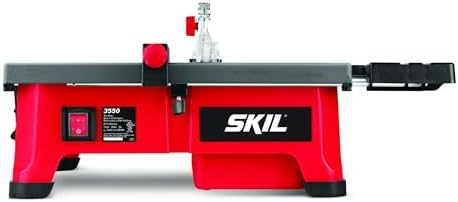
#1 – Skil 3550-02 7-Inch Wet Tile Saw
Best for: you want a lighter 7-inch wet saw with 0, 22.5, and 45-degree bevel cuts for straightforward home tile work.
Why the Skil 3550-02 7-Inch Wet Tile Saw is our #1 pick
- Listed at $269.99 in November 2026 – mid-range among those compared; the price moves, so check it
- 4.4 rating from 8,309 ratings
blade diameter: 7-inch · bevel angle range: 0, 22.5 and 45 degrees
Against the other picks on blade diameter, pick #2 states 8 in. and pick #3 states 7″.

#2 – RIDGID R4041S 12 Amp 8 in. Wet Tile Saw
Best for: you want more motor power and a 2-3/4 in. cut depth for repeated ceramic or stone cuts.
Why the RIDGID R4041S 12 Amp 8 in. Wet Tile Saw is our #2 pick
- Listed at $123.50 in November 2026 – entry among those compared; the price moves, so check it
- 4.2 rating from 7 ratings
blade diameter: 8 in. · maximum cut depth: 2-3/4 in
To put that blade diameter in context, pick #1 states 7-inch and pick #3 states 7″.
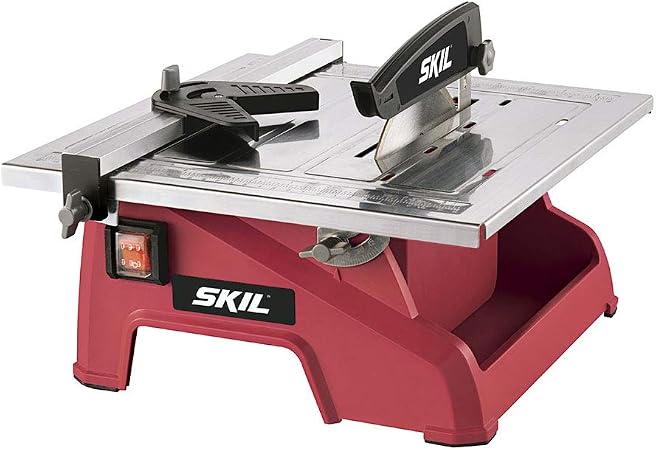
#3 – SKIL 3540-01 Wet Tile Saw
Best for: you want a lower-cost 7-inch wet saw with 0 to 45 degrees of bevel range for basic starter projects.
Why the SKIL 3540-01 Wet Tile Saw is our #3 pick
- Listed at $122.60 in November 2026 – entry among those compared; the price moves, so check it
blade diameter: 7″ · bevel angle range: 0 to 45 degrees
For comparison on blade diameter, pick #1 states 7-inch and pick #2 states 8 in..
You can find our full review of the TLS1003 to see how it handles heavy-duty cutting.
How New Hardware picked: we started from the 25 most-reviewed Tile Saw listings in our retail dataset, removed duplicates, accessories and off-category products, and 20 qualified. The picks on this page were selected from those 20 candidates against this topic’s requirements. The order of the picks reflects fit to this topic; each shows its rating and the number of ratings behind it, so you can weigh how much to trust it. Specifications come from manufacturer listings and ratings from verified Amazon buyer reviews (data checked November 2026).
Our Verdict and How We Chose
A wet saw with a smaller blade can be the better outcome for a first remodel, because it keeps the tool easier to handle without pushing you into pro-sized hardware.
Skil 3550-02 7-Inch Wet Tile Saw is the fit when you want a straightforward starter saw with bevel cuts at 0, 22.5, and 45 degrees. Pick the RIDGID R4041S instead if your job calls for 2-3/4 in. cut depth and 0 to 45 bevel travel, or the SKIL 3540-01 if you care more about the $122.60 entry price than stated electrical details. The shortlist runs from $122.6 to $269.99.
We screened 20 Tile Saws at New Hardware and kept 10 for this page because we were looking for beginner-friendly wet tile saws with sensible price spread and home-use features. The median price of the 10 products in our comparison is $219.50.
Understand our coverage limits in the scope.
Learn how to choose a model in the buying guide.
Find your perfect match in the audience checklist.
Wet Tile Saws for Beginners: The Short Version
- Top pick: Skil 3550-02 7-Inch Wet Tile Saw at $269.99 (blade diameter: 7-inch).
- Also picked: RIDGID R4041S 12 Amp 8 in. Wet Tile Saw at $123.50; SKIL 3540-01 Wet Tile Saw at $122.60.
- We compared 10 Tile Saws, from $118.99 to $1063.19, median $219.50.
- Best buyer rating in the comparison: DEWALT D24000S Wet Tile Saw at 4.6/5 from 1,095 ratings.
- Not covered by these picks: Cut large-format tile in one pass – needs 10-inch blade, and none of the picks reaches it.
Tile Saws for Beginners Compared Side by Side
| Product | Price | Rating | blade diameter |
|---|---|---|---|
| Skil 3550-02 7-Inch Wet Tile Saw | $269.99 | 4.4 (8,309 ratings) | 7-inch |
| RIDGID R4041S 12 Amp 8 in. Wet Tile Saw | $123.50 | 4.2 (7 ratings) | 8 in. |
| SKIL 3540-01 Wet Tile Saw | $122.60 | 0.0 (0 ratings) | 7″ |
| WEN 71707 Wet Tile Saw | $182.44 | 0.0 (0 ratings) | 7-inch |
| 7 Inch Wet Tile Saw | $118.99 | 3.6 (21 ratings) | 7 inch |
| Kantu 83200Q 1 Hp 24 Inch Bridge Wet Tile Saw | $239 | 3.9 (141 ratings) | 8 in. |
| Leegol Electric Wet Tile Saw | $199.99 | 0.0 (0 ratings) | 7 Diamond Blade |
| DEWALT D24000S Wet Tile Saw | $1063.19 | 4.6 (1,095 ratings) | 10-Inch |
| DEWALT D36000 Wet Tile Saw | $999 | 4.6 (453 ratings) | 10 in. |
| VEVOR 10-inch Wet Tile Saw | $786.99 | 3.5 (7 ratings) | 10-inch |
Prices are approximate and move frequently – check the current price before deciding. “Not stated” means the manufacturer listing does not give that figure – we do not estimate it.
Skil 3550-02 fits this topic best because its 7-inch blade and Hydro lock water containment system suit beginner-friendly tile work.
Each Pick for Beginners, Reviewed in Detail
The 3 picks below are reviewed in the same order as the cards above.
Skil 3550-02 7-Inch Wet Tile Saw
Is a 7-inch wet tile saw enough for a beginner? For many home tile jobs, yes, because the 7-inch blade keeps the saw in the smaller portable class, while the 22.05-pound weight is easier to move than the heavier 8-inch option here. The adjustable rip fence and miter gauge also give you two basic alignment aids that matter when you are trying to cut straight.
What we like: The 0, 22.5, and 45-degree bevel settings cover the common angled cuts most first-time users run into. The Hydro lock water containment system is the kind of feature that helps keep wet cutting more controlled, and the sliding side extension supports tiles up to 18 x 18 inches. Around $269.99, it sits above the budget pick here, but it gives you a lighter 7-inch setup with more built-in guidance.
Keep in mind: A 7-inch blade is the smaller choice in this group, so it is the better fit for lighter home work than for bigger tile or deeper cuts. If you want more cut depth or a heavier-duty feel, the 8-inch RIDGID below is the more capable step up.
RIDGID R4041S 12 Amp 8 in. Wet Tile Saw
What features make a wet tile saw easier for a first-time user to control and cut straight? A rip guide, a miter guide, and a removable water tray are the features here that help with alignment and cleanup, and this model states all three.
What we like: The 2-3/4-inch cut depth gives you more room for thicker material than the smaller saws here. Its 24-inch rip capacity and 18-inch diagonal capacity also make it the most flexible choice in this short list for larger home tile layouts. At around $123.50, it pairs the strongest motor figure in this group with the lowest price among the three picks.
Keep in mind: The 72.8-pound weight makes this a much less portable saw than the 7-inch Skil model. If you want something you can move often or store easily, this is the one that asks for the most space and lifting.
SKIL 3540-01 Wet Tile Saw
The SKIL 3540-01 Wet Tile Saw is the simplest low-cost starter option here, and its 7-inch blade keeps it in the same beginner-friendly size class as the Skil 3550-02. The adjustable rip fence, miter gauge, and blade cooling water reservoir give you the basic controls that matter most when you are learning to keep cuts straight.
What we like: At around $122.60, it is the lowest-priced pick in this group. The 0 to 45-degree bevel range covers the standard angled cuts most new users need, and the wet-saw setup is the familiar format for home tile cutting. If you are prioritizing a simple first saw over extras, this is the most stripped-down route here.
Keep in mind: It does not state power source or weight, so there is less published detail to judge portability and setup from. It also lacks the more polished containment and extension features of the higher-ranked Skil model, so buyers who want more guidance may prefer that one instead.
For a compact option, see our spec breakdown of the MK-145 to compare its performance.
Many DIYers choose other tools, so explore the alternatives to a wet tile saw for more options.
The Specs That Decide a Tile Saw for Beginners
Simple Setup And Cleanup For Beginner Wet Tile Saws
Look for simple setup and cleanup features that keep the first cuts short, because a beginner wet tile saw should not make water handling harder than the tile work itself. The Skil 3550-02 uses a Hydro Lock water containment system, and the SKIL 3540-01 states a blade cooling water reservoir; both point to easier cleanup than an open tray. The RIDGID R4041S adds a removable water tray, which makes emptying and rinsing more direct after ceramic tile cuts. For an upgrader, that matters more than extra capacity if the saw will live on a small work area.
Clear Cut-Line Visibility For Straight Starter Cuts
Prioritize clear cut-line visibility when you want straight starter cuts, because the first tile saw you buy should make the mark easy to follow before it adds more features. The adjustable rip fence and miter gauge on the Skil 3550-02 and the SKIL 3540-01 give you two basic guides for lining up common home cuts. The RIDGID R4041S goes further with an aluminum miter and rip guide, which gives the cut line a more structured reference for repeated passes on ceramic tile and porcelain tile. The DEWALT D24000 is the benchmark for 10-inch portable saws, and these picks stay in a smaller, easier-to-handle class.
Stable Tray And Fence Alignment
Stable tray and fence alignment matter more than extra speed when you want repeatable beginner cuts, because the fence and tray decide how confidently you can feed tile through the saw. The Skil 3550-02 uses an aluminum table top and sliding side extension supports tiles up to 18 x 18-inch, which helps keep larger pieces supported while you work. The SKIL 3540-01 also states an adjustable rip fence and miter gauge, so it covers basic alignment without adding a heavier setup. The RIDGID R4041S separates itself here with a 24 in rip capacity and 18 in diagonal capacity, which gives you more room for larger home tile cuts.
Blade Size For Common Tile Cuts
Choose blade size for common tile cuts by matching the saw to the thickness and format you plan to cut, not by buying the largest wheel you can find. The 7-inch Skil 3550-02 and SKIL 3540-01 suit the common starter range for trim work and lighter tile jobs, while the 8 in. RIDGID R4041S gives you more headroom for thicker material. Blade diameter sets the largest wheel the saw can use, so it matters most when you are choosing between a compact starter saw and a larger home tile cutting saw. The RIDGID’s 2-3/4 in. cut depth is the clearest figure here for thicker tile or pavers, and that is the number to watch if you expect repeated ceramic tile cuts.
Easy Water Management For Beginner Wet Tile Saws
Easy water management matters because wet saws rely on water to cool the blade and control slurry, and beginners usually want that process to stay simple. The Skil 3550-02’s Hydro Lock system and the SKIL 3540-01’s water reservoir both point to contained water handling, while the RIDGID R4041S adds a removable water tray for faster cleanup. That is the criterion that set these apart most clearly for this page, because the saws differ more in water control than in basic beginner cutting needs. If you want the least fussy routine, favor the models that state an enclosed or removable water setup over the ones that leave water handling unstated.
If you need a reliable brand, view our deep dive into the DWC860W for more details.
Make sure you understand the technical details by learning tile saw terms and specs in simple language.
What Each Job Calls For vs What These Picks State
Match the job you actually need done to the figure it calls for, then check which picks state that figure or more. Where none do, the row says so.
| What you want to do | The figure it calls for | Picks at or above it |
|---|---|---|
| Cut trim and small tile for a first bathroom or backsplash job | 4-3/8-inch blade | Skil 3550-02 and SKIL 3540-01 |
| Handle thicker tile or stone without jumping to a full-size saw | 7-inch blade | Skil 3550-02 and SKIL 3540-01 |
| Make repeated cuts on ceramic tile without bogging down | 0.75 to 1 hp motor power | RIDGID R4041S |
| Cut large-format tile in one pass | 10-inch blade | none of them; a 10-inch wet tile saw |
These figures are the levels this category is generally held to, not manufacturer claims. A pick at or above a figure states that number; how it reaches it and the rest of your setup still decide the job, so check them against your own workload before buying.
Who Buys Tile Saws, and What It Really Costs
Who buys a Tile Saw, and what each one needs
- DIY homeowners remodeling a bathroom — need a wet saw with enough cut depth for common tile and a 45-degree bevel for finished corners
- First-time tile installers — need a 120V corded saw for normal outlets and a wet cutting workflow for less dust
- Apartment landlords doing unit refreshes — need a saw that handles standard wall and floor tile without the rip capacity limits of tiny cutters
- Interior design students — need a saw that can make straight cuts and mitered edge cuts for sample boards and small projects
- Kitchen remodelers — need a saw that can handle large-format tile and avoid blade deflection or chipping on glazed edges
What a Tile Saw really costs, and where to buy one
What to budget for on top of the Tile Saw
- Tile blade — needed because the saw body alone cannot cut tile
- Water source and hose hookup — needed to keep the blade wet during cutting
- Extension cord — needed when the jobsite outlet is too far away
- Safety glasses — needed to protect eyes from slurry and chips
- Ear protection — needed because tile cutting is loud
What you can leave out of the budget
- Dust extractor — unnecessary for a wet saw workflow because water already controls most dust
- Extra specialty blades — unnecessary for basic beginner cuts unless the tile material changes
- Saw stand upgrade — unnecessary if the saw already has a stable work surface
- Laser guide accessories — unnecessary for beginners who can mark cuts directly on tile
Where this kind of product is normally sold
- Home improvement chains — usually offer return windows, easy exchanges, and bundle pricing with blades or stands
- Tool rental counters — let buyers test the workflow first and avoid long-term storage if the saw is for a short project
- Online tool retailers — often give broader spec filters and shipping options, with warranty handling tied to the seller or maker
- Tile supply stores — tend to pair saws with matching blades and cutting supplies, which helps with one-stop checkout
What These Tile Saws Need, and What to Check on Arrival
What you need before a wet tile saw will run
Water and corded power are the shared requirements here, and the blade is the part that actually makes the cut. Skil 3550-02 and RIDGID R4041S both state corded electric, while SKIL 3540-01 does not state its power source.
- Skil 3550-02 uses corded electric power, so you need an outlet nearby or an extension cord that can safely reach the work area.
- RIDGID R4041S also states corded electric power, and its 72.8-pound frame makes a stable bench or stand more important than a lightweight setup.
- SKIL 3540-01 states a blade cooling water reservoir, so you need enough water on hand for wet cutting slurry control during use.
- RIDGID R4041S states a 12 Amp motor and 1.2 HP, so it suits repeated ceramic tile cuts better than a weak garage setup with limited power access.
What to verify when the saw arrives
Cover differs by seller and country, so check the box contents and the condition of the cutting parts first.
- Confirm that the blade guard is present and mounted correctly, because it is a safety part you need before any wet cut.
- Check whether a diamond blade is included, because that is the consumable that makes the actual cut and replacement blades can vary by size and arbor fit.
- Inspect the water tray or reservoir for cracks and leaks, because wet cutting slurry depends on water control and poor containment creates cleanup problems.
- Look for bent guides, missing fences, or damaged miter parts, because Skil 3550-02 and RIDGID R4041S both rely on those parts for straight and angled cuts.
On the first day it arrives, fill the reservoir, mount the blade, and run one short cut on scrap tile before you start the real job.
Get quick answers to common concerns in the FAQ.
Check the minimum specifications in the requirements.
View the data side-by-side in the comparison table.
Buying Questions About Tile Saws for Beginners, Answered
How much should I spend on a beginner wet tile saw without overbuying?
The beginner wet tile saw that avoids overbuying is usually the one with the simplest setup and the lowest price that still covers your tile size. The SKIL 3540-01 is around $122.60, while the RIDGID R4041S is around $123.50 and adds an 8-inch blade, 2-3/4 in. depth, and 1.2 HP.
Will this saw work with porcelain tile, or only ceramic?
Porcelain tile is denser than ceramic, so the question is whether the saw’s blade size and motor power suit the cut load.
Which beginner tile saw suits glass tile?
Glass tile needs careful cutting and a wet workflow, because chip control matters more than speed. The Skil 3550-02 and the RIDGID R4041S both state wet-saw setups, and the Skil adds bevel cuts at 0, 22.5, and 45 degrees.
Which starter wet tile saw is easier to place on a small bench?
The starter wet tile saw for a small bench is the lighter one with fewer setup demands. The Skil 3550-02 weighs 22.05 pounds, while the RIDGID R4041S weighs 72.8 pounds and includes a stand.
Which first tile saw gives the most angle options?
The Skil 3550-02 also reaches 45 degrees, but it adds 22.5-degree bevel cuts that help with common trim transitions.
Do any of these beginner wet tile saws support porcelain tile and glass tile?
Only the RIDGID R4041S gives enough stated detail to support porcelain tile use with confidence from the listing data. None of these picks states a glass-tile-specific blade or accessory, so glass tile work depends on your blade choice rather than a named package feature here.
See the best models at a glance in our top picks.
Review the installation details in the setup and warranty notes.
Explore the full analysis in the detailed reviews.
Who Should Skip These Tile Saws
If your work means cutting large-format tile in one pass, these picks are the wrong tool. That job calls for a 10-inch blade, and none of these three is built around that size.
You should move up to a full-size tile saw for that scale of work, or use best tile saw with stand if your next step is a larger setup rather than a starter wet tile saw.