
New Hardware is reader-supported: some links on this page are affiliate links, and as an Amazon Associate New Hardware earns from qualifying purchases at no extra cost to you. Learn more.
Chainsaws are cutting tools that use a fast-moving chain on a guide bar to cut wood. You need one when branches, trunks, or storm debris are too large for loppers or a hand saw. Decide first whether your jobs stay under 16 inches of reach or regularly push larger cuts.
Why a chainsaw saves time on cleanup and firewood
The problem they solve is simple: they turn repeated sawing into one powered cut. That matters most during cleanup, limbing, and firewood work, where time and arm fatigue rise fast with thicker wood. If your yard work is occasional and light, the extra weight and upkeep may not pay back.
How a Chainsaw Cuts Wood
A chainsaw cuts by driving a toothed chain around the guide bar at high speed. The chain bites into wood, carries chips out of the cut, and keeps moving until you release the trigger or the brake stops it.
- The rear handle houses the trigger and rear grip, so your right hand starts the cut and controls speed.
- The front handle provides the main grip for control, especially when you guide the nose through the cut.
- The chain tensioner keeps the chain properly adjusted, which helps the chain stay seated on the bar.
- The chain brake stops the chain quickly in a kickback, cutting motion before it travels farther.
- The guide bar determines cutting length and chain fit, so it sets how wide a log the saw can span.
How chain pitch and gauge affect replacement fit
A 3/8 in low-profile chain is the common pitch for consumer saws and replacement parts. The 0.050 in gauge is the bar groove width the chain must match, or the saw will not run correctly. Those two numbers matter because the wrong chain or bar match can turn a cheap replacement into a useless one.
New users should explore our comparison of the best chainsaw for beginners to find a manageable first model.
Chainsaws we have reviewed in detail
Prices across these 3 run from $118.99 to $237.05; each one has a full review here.

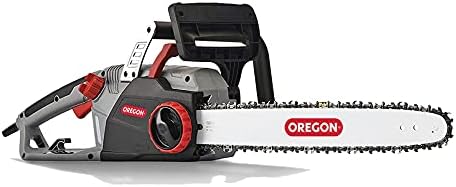

Chainsaw Parts That Change the Result
The guide bar, chain brake, front handle, rear handle, and chain tensioner are the parts that most affect how a chainsaw works for you. Each one changes either reach, control, safety, or how often you need to stop and adjust.
The guide bar sets the cutting length, so a longer bar lets you span thicker wood in one pass. The chain brake is a safety stop, not a cutting part, and it matters most if you are new to gas saws or working in awkward positions.
What the front handle, rear handle, and tensioner do
The front handle gives the forward grip for steering the saw through the cut. The rear handle carries the trigger and rear grip, so it is where your throttle control starts. The chain tensioner keeps the chain snug enough to track the bar without slack, and that adjustment affects both cut quality and wear.
You can see the performance data in our full MS 170 review.
Why pitch and gauge must match replacement parts
Chain pitch and gauge are the two fit standards that matter most for replacement parts. The 3/8 in low-profile pitch is common on consumer saws, while 0.050 in gauge is the groove width that must match the chain. If those do not line up, the saw may not accept the chain at all.
What a Chainsaw Changes in Practice
A chainsaw changes the amount of wood you can handle before the job turns slow and tiring. It helps with storm cleanup, limbing, and cutting firewood, especially when you need repeated cuts in the 10 to 18 inch range.
It does not help much for light trimming, small shrubs, or the kind of yard cleanup where a pruning saw already finishes the work. If your branches stay small, the extra maintenance and fuel system are only adding cost and storage.
How bar length changes pruning, limbing, and bucking
Bar length is the main limit that changes the kind of work you can do. A 10 inch bar suits light pruning and storm cleanup, 16 inches covers limbing and small firewood, and 18 inches is the common step up for larger limbs and faster bucking. Once you move toward 20 inches, weight and battery demand rise sharply on cordless saws.
Detailed specifications are available in our full PROYAMA 68CC review.
Chainsaw Questions Buyers Ask
Is a chainsaw worth the price for occasional yard cleanup?
A chainsaw is worth the price for occasional yard cleanup only if your cleanup includes branches or logs that a hand saw handles slowly. For small twigs and light trimming, you are paying for a powered cut you may not use often enough. If your yard throws down larger limbs after storms, the time saved can justify the extra cost and upkeep.
What size jobs is a chainsaw good for before you move up?
A chainsaw is good for limbing, storm cleanup, and small firewood before you move up to a bigger saw. The usual step-up point is around 18 inches of bar length, where larger limbs and faster bucking become the main use case. If your cuts stay below that, a smaller saw keeps weight and fuel demand lower.
Will the chain brake and safety features be enough for a first-time gas saw user?
The chain brake is a useful safety feature for a first-time gas saw user, but it is not a substitute for control. The front handle, rear handle, and brake work together to give you grip and a fast stop in kickback. If you are new to gas saws, that extra stopping feature matters more than on a lighter electric saw.
What size branches or logs can a chainsaw cut without bogging down?
A chainsaw can cut branches and logs that fit within its bar length, but bogging depends on more than reach. The failure mode to watch is too much bar for the motor class, which makes the saw slow and prone to bogging under load. For hardwood or repeated cuts, a smaller bar often stays easier to drive than a longer one.
We provide a full spec breakdown in our full 455 Rancher review.
What fuel and chain oil does a chainsaw need?
A gas chainsaw needs fuel for the engine and chain oil for the bar and chain. The fuel type is not the same as the chain oil, and both need topping up during use. If you want the least hassle, check whether your work pattern makes refilling frequent enough to matter before you choose gas over cordless.
Who Needs a Chainsaw and Who Does Not
You need a chainsaw if your property work includes storm cleanup, limbing, or cutting firewood often enough that a hand saw wastes time. You also need one if your cuts regularly move into the 16 to 18 inch range, where a longer bar starts to matter.
When a chainsaw is unnecessary for light yard work
You do not need one if your yard work stays with small branches, light pruning, and the occasional broken limb. In that case, a pruning saw or loppers may cover the job with less weight, less upkeep, and less fuel or battery management. Confirm the current rules for your location before ordering, since local restrictions can change.