
New Hardware is reader-supported: some links on this page are affiliate links, and as an Amazon Associate New Hardware earns from qualifying purchases at no extra cost to you. Learn more.
Chainsaws are for cutting limbs, trunks, and storm debris. Buying one is not the only way to get that result. Before you choose, compare your own cutting diameter against the bar length you would actually need.
Rent a Chainsaw for One-Off Cutting
Renting a chainsaw lets you pay for a short window of use instead of owning the tool. It usually costs less than buying when you only need a few hours or a single weekend of cutting.
If your primary goal involves tree maintenance, see our guide to the best chainsaw for pruning trees.
Rental makes sense for storm cleanup, one fallen tree, or a short pruning job with a 10 in to 16 in reach. It stops making sense when you need repeated cuts over several weekends, because rental time can outrun the savings fast.
New users can start their journey by viewing the top-rated chainsaw for beginners.
A homeowner clearing a yard after one windstorm can rent, finish the job, and return the saw the same day. If the work includes larger limbs and bucking, the rental choice needs a bar long enough for the biggest log you expect to cut.
Exploring portable options is easy with our list of the best chainsaw for camping.
Where these choices show up in our reviews
3 options shown here, $145 to $328.38, each with its own full review behind its name.
Residential users can browse the best cordless chainsaw for homeowners for battery-powered ease.

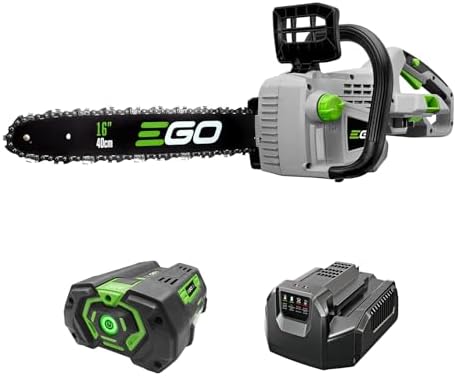

Borrow a Chainsaw from Someone You Trust
Borrowing a chainsaw gives you the tool without a purchase, so the direct cost is usually the lowest of any route here. The tradeoff is fit: you get whatever bar length, chain pitch, and condition the owner already has.
You can find the ideal chainsaw for small yards tailored to limited spaces.
Borrowing works when the job is small, the saw is already compatible with the cut size, and you can finish quickly. It stops making sense when the only available saw is too short, too heavy, or set up with the wrong chain pitch for the bar.
To maximize wood production, view our comparison of the best chainsaw for cutting firewood.
A borrowed saw can be enough for light pruning or a single downed branch. It is a poor answer for recurring property work, because you depend on someone else’s schedule and equipment.
Make sure your equipment meets legal requirements by checking the necessary certifications and safety standards for chainsaws.
Buy a Used or Refurbished Chainsaw
Used or refurbished chainsaws usually cost less than new ones, but the savings are tied to age, wear, and what parts have already been replaced. That route works best when you want ownership without paying new-item pricing.
You can learn the basics by viewing our guide to chainsaw terms and specs, explained in plain English.
This route beats buying new when the saw is complete, the bar and chain are the right match, and the seller can state the battery system or fuel setup clearly. It stops making sense when the listing omits the bar length, chain pitch, or compatible battery system, because those gaps can turn a cheap saw into a mismatch.
Selecting the correct size is easier when you see how to choose your chain gauge for chainsaws.
Used cordless saws are especially worth checking for battery compatibility. A tool-only listing can be fine if you already own the matching battery platform, but it is a dead end if you do not.
Understanding the different categories is simple with a breakdown of the types of chainsaws, explained.
How Chainsaw Alternatives Compare with Buying
| Route | Who it suits | Main advantage | Where it breaks down |
|---|---|---|---|
| Rent one | People with a single cleanup job or rare cutting needs | Low cost for short-term use | Repeated jobs make the rental cost add up |
| Borrow one | People with one small job and access to a compatible saw | Lowest upfront cost | Wrong bar length or chain setup can block the work |
| Buy used or refurbished | People who want ownership at a lower price | Lower cost than new ownership | Missing fit details can create a bad match |
| Buy new | People who need repeated use and a known setup | Clear specs and full ownership | Higher upfront cost than the other routes |
When Buying a Chainsaw Is the Right Answer
Buying a chainsaw is the right answer when you expect repeated cuts, want a fixed bar length, and need a chain and battery or fuel setup you can plan around. It also makes sense when the job size keeps changing, because a known tool is easier to match to future work.
Learn the mechanics behind the tool in our guide on what a chainsaw is and how it works.
If you need limbing and small firewood often, a 16 in bar is the point where many homeowners start to cover that work comfortably. If your cutting stays near that range and you do not want to depend on rentals or borrowed equipment, ownership becomes the practical route.
Detailed specifications are available in our full review of the NEO-TEC 20 Inch.
Confirm the current rules for your location before ordering, since local requirements can affect what you can buy or use.
For a high-performance option, see our full review of the 455 Rancher.